
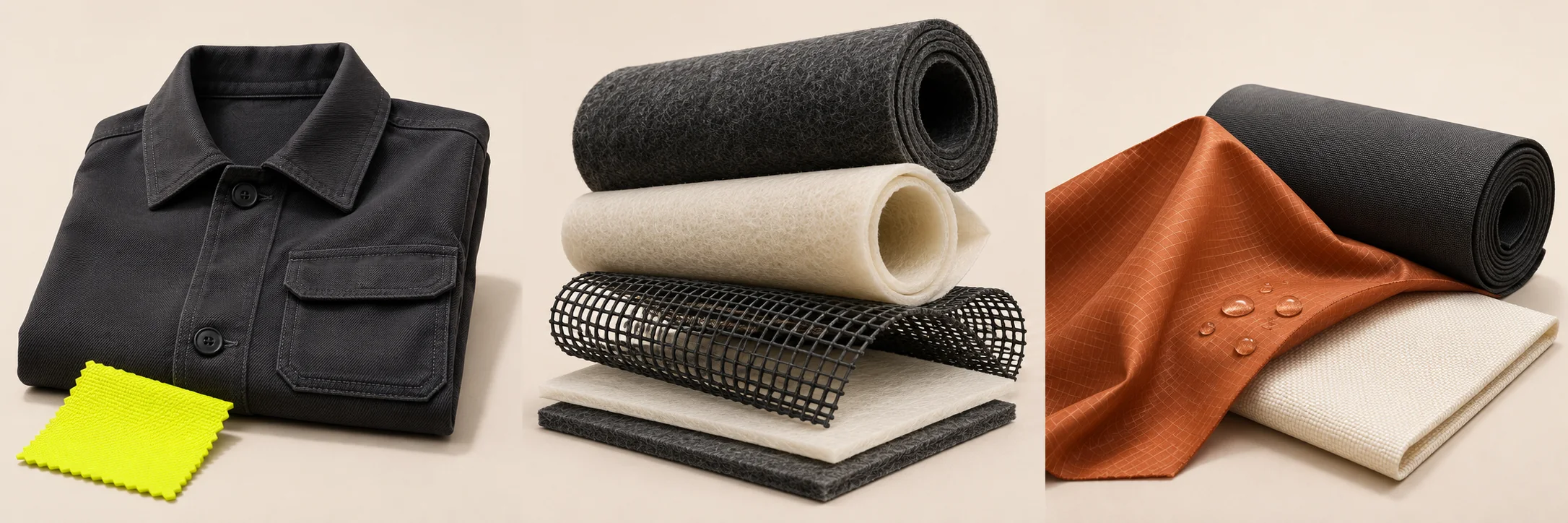
Workwear materials
Provide the intended application, garment or fabric construction and buyer-defined performance targets. Confirm sample evaluation and the evidence required for any stated protective function.
Technical Textiles
Develop a technical-textile brief around application, verified performance and responsible material choices, with clear evidence requirements for each product.
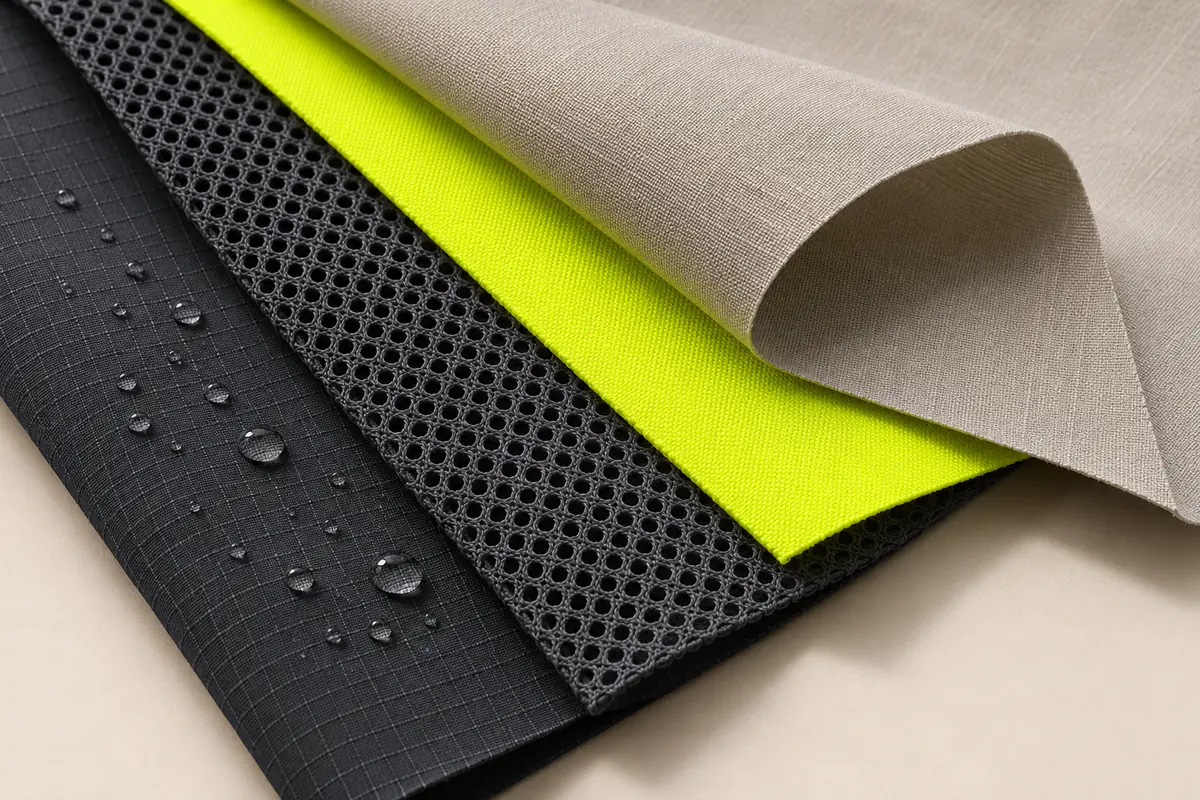
Start a technical-textile inquiry with the intended application and a written performance specification. Describe the environment in which the material or finished product will be used, together with composition preferences, dimensions and construction requirements. Supply buyer-nominated test methods, acceptance criteria and required documentation so the discussion establishes what evidence is needed for the proposed application.
Workwear, medical textiles, automotive materials, filtration, geotextiles and sports or outdoor textiles illustrate application areas for discussion. Each inquiry needs a separate assessment of product suitability, material availability and evaluation requirements. A listed application or finish describes a development direction. The specific product, performance and supporting evidence are assessed against your brief before selection.
Development, sampling, sourcing, costing, order follow-up, quality control and shipping support can be discussed against these requirements. The proposed source, sample stages, quantities and schedule are agreed for the order. When requesting a named standard, identify its edition and applicable requirements, then establish the documentation needed before approving a product description, performance statement or intended-use claim.
Products we make
Use these examples to shape your brief. Materials, construction and finishing are developed around your product requirements.
Provide the intended application, garment or fabric construction and buyer-defined performance targets. Confirm sample evaluation and the evidence required for any stated protective function.
Specify the proposed operating conditions, dimensions, construction and functional requirements. Include drawings, test methods and acceptance criteria for an informed product discussion.
Describe the intended end use, weight, hand feel and requested performance. Confirm how samples and supporting test reports will be assessed for the application.
Applications
Describe the intended garment or material, working environment and required performance. The proposed product and supporting evidence are assessed against that application before any protective-use claim is agreed.
Provide the exact intended product, use environment and buyer requirements. Establish the applicable evaluation and documentation needs before assessing material suitability for the proposed medical application.
Share component drawings, dimensions, appearance requirements and the buyer’s evaluation criteria. Assess the proposed textile and supporting records against the specific component and operating conditions.
Describe the intended process, operating conditions, construction and performance measures. Agree the material specification, sampling plan and evaluation criteria for the proposed application.
Supply project specifications, material dimensions and buyer-nominated test criteria. Product suitability and supporting evidence are reviewed against the defined project requirements.
Discuss the end use, weight, comfort preferences and requested performance. Agree the evaluation method and supporting documentation for each proposed material, finish and construction.
Each performance requirement is assessed against product-specific test methods, results and the intended application.
Fabrics & materials
| Composition | Defined for the proposed material and supported by the agreed fibre-content documentation. |
|---|---|
| Fabric weight / GSM | Set in the application brief and confirmed for the material submitted for evaluation. |
| Usable width | Agreed for the intended conversion process, with tolerances recorded in the specification. |
| Construction and finish | Specified against the intended application and the required performance evaluation. |
| Minimum order quantity | Confirmed in the quotation after material, finish, testing and production requirements are assessed. |
| Sampling time | Planned around material development, sample construction and the required evaluation stages. |
| Production lead time | Agreed after the specification, evidence requirements, approvals and order quantity are established. |
| Available capacity | Checked with the proposed source for the specific construction, process and delivery window. |
Responsible sourcing
Responsible material selection for technical textiles starts with the required function. AMA Sourcing supports recycled material inquiries, including polyester or polyamide options where suitable, and organic cotton requests for appropriate textile constructions. Assess each option against the application, processing requirements and documented performance criteria before approving the material.
Traceability and evidence must follow the specific material or finished product. Agree records for fibre content, production source and any requested certification scope, together with the reports needed to evaluate performance. Review a proposed material substitution, coating or finish against the approved specification and its supporting evidence.
Consider durability, repair, reuse and end-of-use requirements during development where relevant to the application. Define the expected cleaning conditions, service environment and evaluation criteria. Environmental claims about a coating, fibre or finished product should identify the aspect being assessed and its evidence. Performance and suitability remain specific to the tested construction and intended use.
Specifications & standards
Supply the relevant standard, intended application and acceptance criteria with your technical sheet. Standards are discussion targets until the exact product and supporting evidence have been reviewed.
| Composition | Agreed for the proposed material, with fibre-content evidence defined in the brief. |
|---|---|
| GSM | Confirmed for the material submitted for evaluation against the specified weight and tolerance. |
| Width | Agreed as usable width, with the relevant tolerance and conversion requirements recorded. |
| MOQ | Confirmed in the quotation after material, finish, testing and production requirements are reviewed. |
| Lead time | Agreed for development, evaluation and production after the specification and approvals are established. |
| EN ISO 11612 | Buyer-requested reference for clothing intended to protect against heat and flame. Agree the edition, product scope, performance requirements and supporting evidence for the proposed product. |
| EN ISO 20471 | Buyer-requested reference for high visibility clothing. Agree the edition, product scope, required performance and evidence before approving a conformity claim. |
| EN 13795-1 | Buyer-requested reference for surgical drapes and gowns. Agree the applicable edition, product scope, evaluation requirements and supporting evidence for the proposed item. |
Define the product, intended application and acceptance criteria in writing. Agree the sample identification, test methods, laboratory requirements and supporting records before relying on a performance statement. Establish product suitability and the required evidence as part of the review for each inquiry.
Ask for test reports to identify the material or product assessed and the relevant method and result. Confirm how any proposed change to composition, construction, finish or production source will be reviewed against the approved requirements for your order.
Include traceability, labelling, packaging and document requirements in the brief. Every certification, audit or performance reference needs a confirmed scope and current evidence relevant to the supplied product.
Send your technical sheetEach option begins with your application, required test method and acceptance criteria. The proposed material or product is assessed against that brief, with relevant test results and supporting records reviewed before a performance statement or intended-use claim is agreed.
Include the intended use, composition preference, weight, width, construction and required finish. Add performance targets, test methods, acceptance criteria and the documentation your buyer needs. This information supports the assessment of suitable materials, development stages and the evidence needed for product approval.
Include the full reference, edition and applicable requirements in your inquiry. The examples below identify standards that buyers may request. Product scope, testing arrangements and the required supporting evidence are assessed for the specific item before any conformity claim is used.
The quotation and development plan establish these for the proposed material and application. State your initial volume, repeat-order expectations, sample needs and target delivery date. Material preparation, development, testing, production and shipping should be addressed as separate stages in the agreed schedule.
Related capabilities
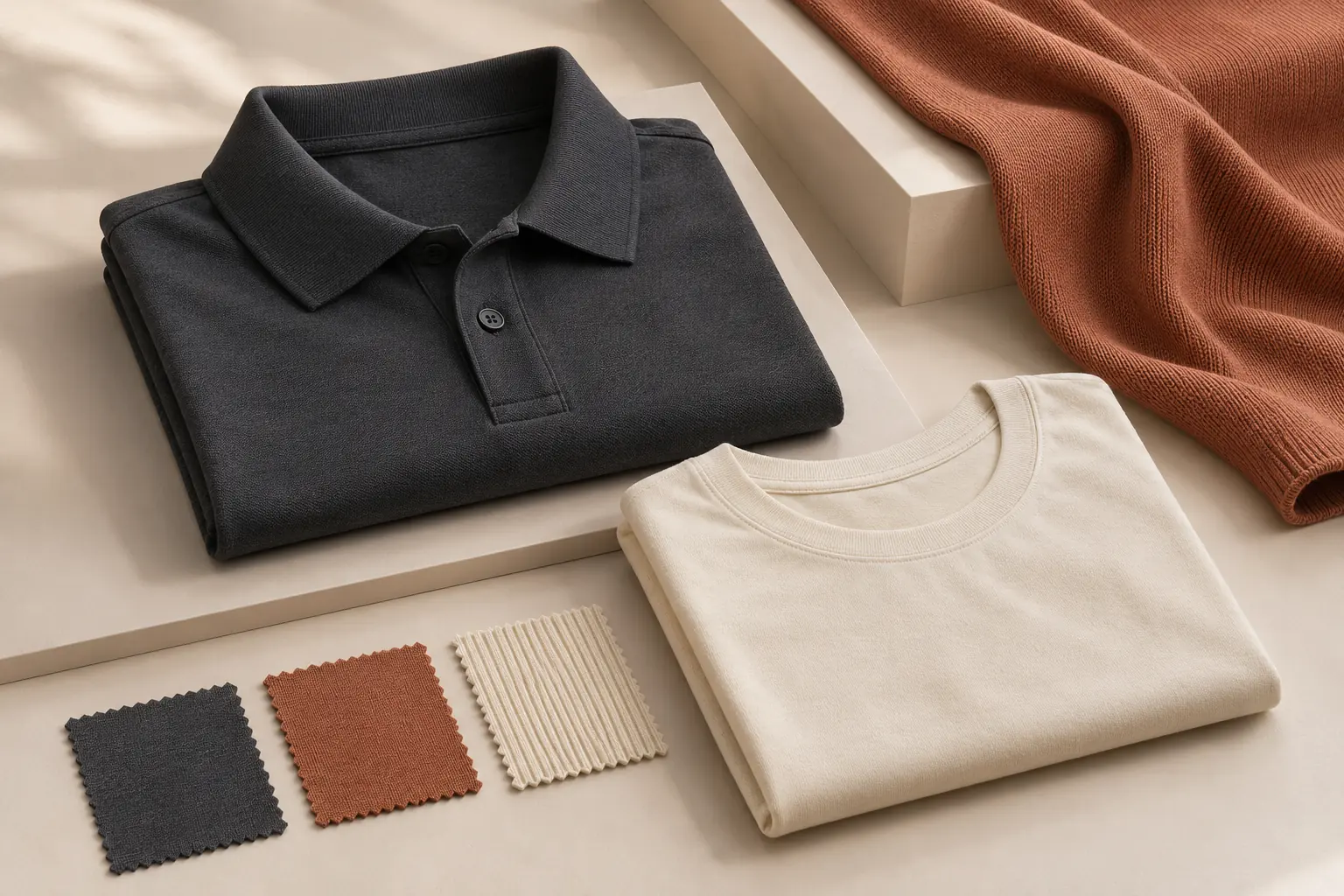
Develop knitwear around the fabric, fit and finish your collection needs, with responsible material sourcing and a clear brief for every order.
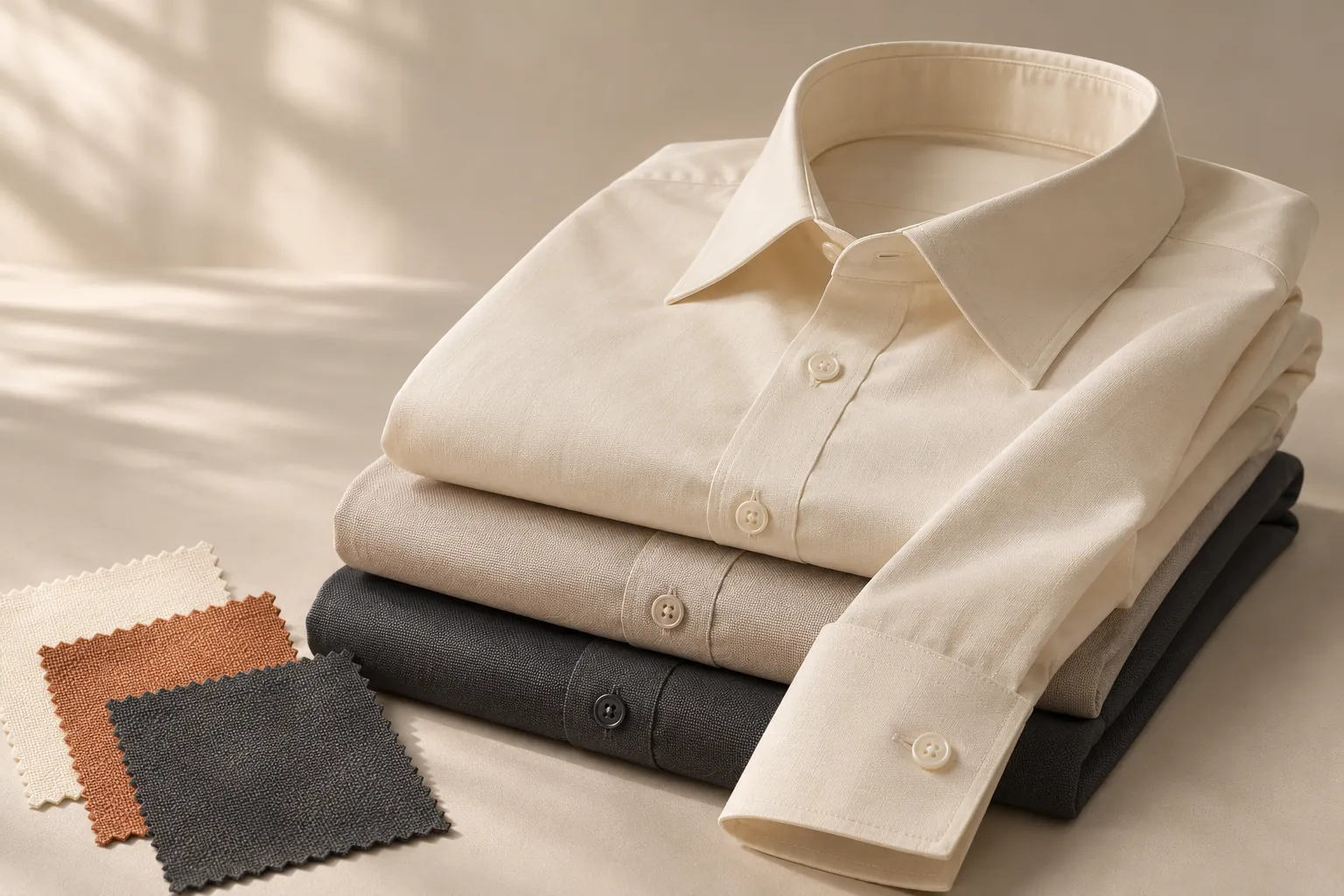
Shape a woven apparel range through considered fabric choices, precise construction and an order brief that includes responsible sourcing requirements.
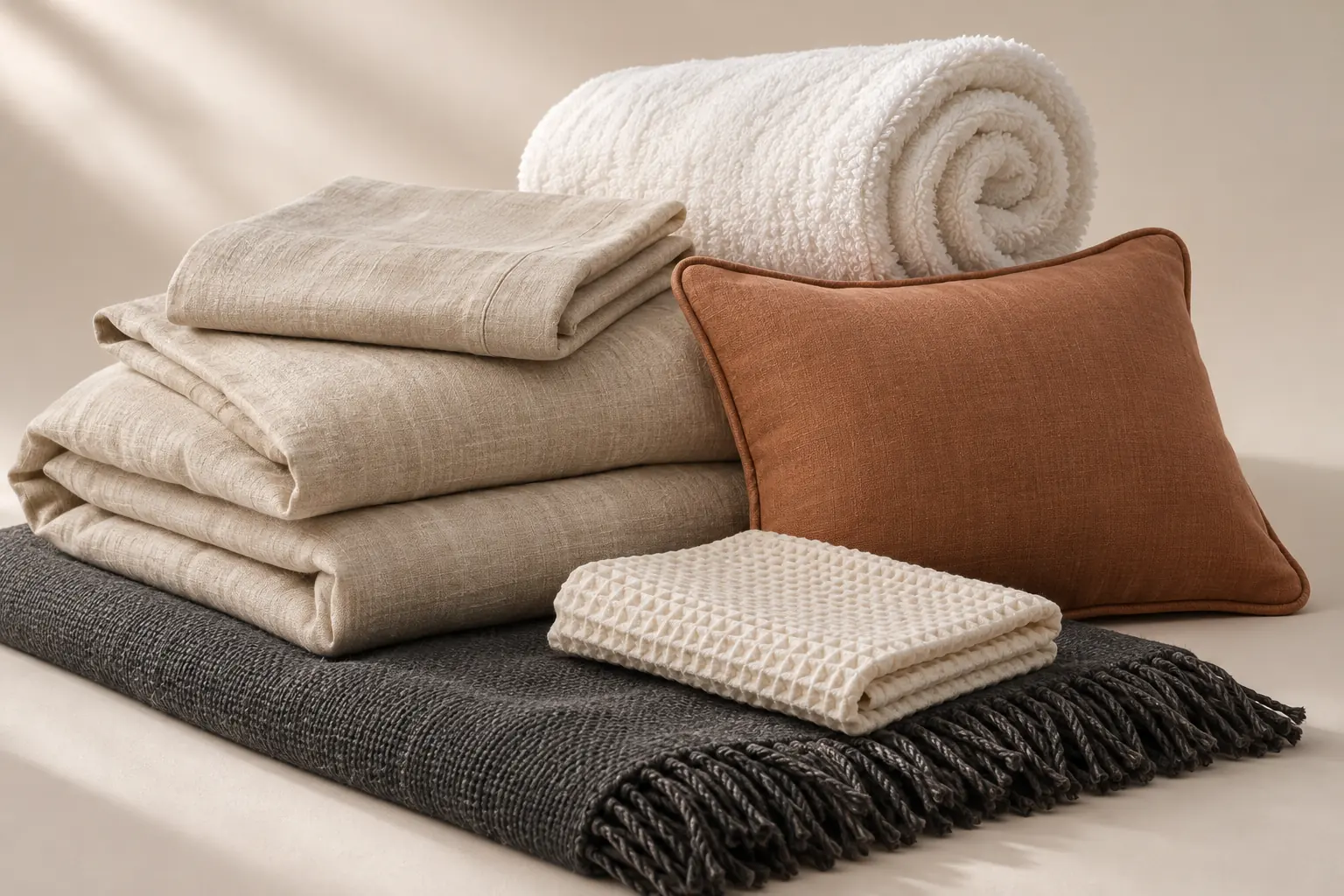
Develop home textiles around thoughtful material choices, everyday use and coordinated details, with traceability and quality requirements built into the brief.
Start a sourcing inquiry
Share the composition, performance targets, test standards and estimated quantity. Attach your technical sheet to the quote request.