Quality and compliance
Quality built around your product requirements.
Approved samples, clear specifications, structured inspections and current partner documentation support informed sourcing decisions.
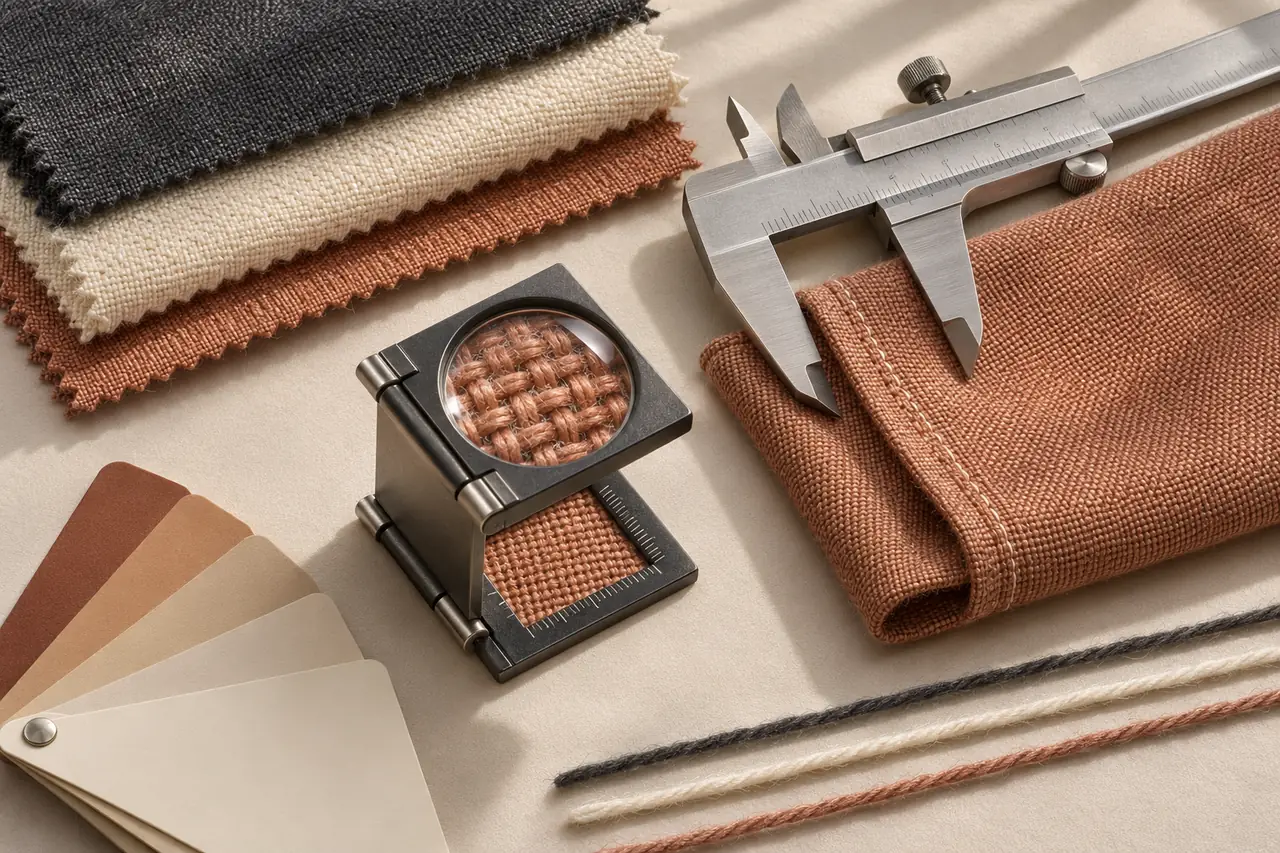
Clear criteria guide every quality review.
Our quality process starts with your product specification, approved references, measurement tolerances and intended market. We agree the inspection stages and acceptance criteria with your buying team, then use those references to review construction, appearance, measurements and packing throughout the order.
The inspection plan identifies the production stages, locations, sampling approach, reporting format and review responsibilities. Your nominated test methods and documentation requirements are included during development. This gives the buyer and production teams a consistent basis for assessing the product and resolving findings.
Inline review
We review production while work is in progress, using the approved sample and specification. Checks focus on the agreed construction, measurements, appearance and workmanship requirements. Findings are recorded for the buyer and supplier so corrective action can be addressed during production.
- Approved reference and production stage
- Agreed product checks and recorded findings
- Actions for buyer and supplier review
Pre-final review
Before final inspection, we review the status of the order and the product or packaging points requiring attention. The review connects available quantities, outstanding decisions and corrective actions with the production plan, helping teams prepare for the completed-order assessment.
- Outstanding product and packing decisions
- Available quantity and agreed review scope
- Follow-up actions and responsible contacts
Final inspection
Completed goods are checked against the agreed product, quantity, appearance, measurement and packing requirements. The report records the inspection findings for buyer review. The next step follows the approval responsibilities and acceptance requirements established for the order.
- Finished goods and approved specifications
- Labels, packing and quantity information
- Inspection report and buyer review
AQL and sampling requirements
We work to the buyer's agreed sampling plan. Inspection level, AQL values, lot definition, sample size and acceptance criteria are recorded with the inspection instructions. These parameters are selected for the product and order, giving the review a defined basis.
- Buyer-nominated inspection requirements
- Agreed sampling and acceptance parameters
- Reporting and decision responsibilities

Laboratory testing
Testing that answers the product brief.
We coordinate testing around the methods and acceptance criteria required by your buyer. The plan can cover composition, dimensional change, colour performance and other relevant product requirements. Laboratory selection, sample quantities, charges and timing are agreed alongside development and production milestones.
Reports are reviewed against the identified sample, test method and product specification. Material and performance claims are connected with the relevant evidence before product descriptions or labels are approved. Your nominated laboratory and destination-market requirements form part of that review.
Factory compliance audits
Current evidence for the selected production partner.
We work with production partners holding current audits and certifications relevant to their operations. For the factory selected for your order, we review the legal entity, site, document dates, covered activities and applicable scope against your buyer requirements. Social, environmental and management-system expectations are included in the sourcing discussion.
The audit and certification references shown here relate to the relevant production partners and covered materials or processes. We check the current scope for the selected facility and product, and coordinate supporting records for your review. Audit findings and follow-up requirements remain connected with the partner assessment.
amfori BSCI
Social compliance audit programme used to assess working conditions at participating production facilities.
WRAP
Facility certification focused on responsible manufacturing practices within the certified scope.
Sedex / SMETA
Sedex supports responsible sourcing information. SMETA is a social audit methodology.
OEKO-TEX
A family of textile certification schemes. STANDARD 100 covers testing for harmful substances; the applicable scheme and product scope are reviewed for each order.
GOTS
Organic textile processing certification with requirements for the certified supply chain and scope.
GRS
Certification addressing recycled content and related processing requirements within its stated scope.
ISO
International standards referenced in partner management-system certification. The specific standard, certified entity and scope depend on the selected facility.
Higg FSLM
A facility assessment of social and labour conditions, with the applicable assessment status to be checked.
Certifications and assessments apply to individual partner facilities or products. We review the relevant records, validity and scope for your sourcing requirements.
Factory network
Understand the production behind your product.
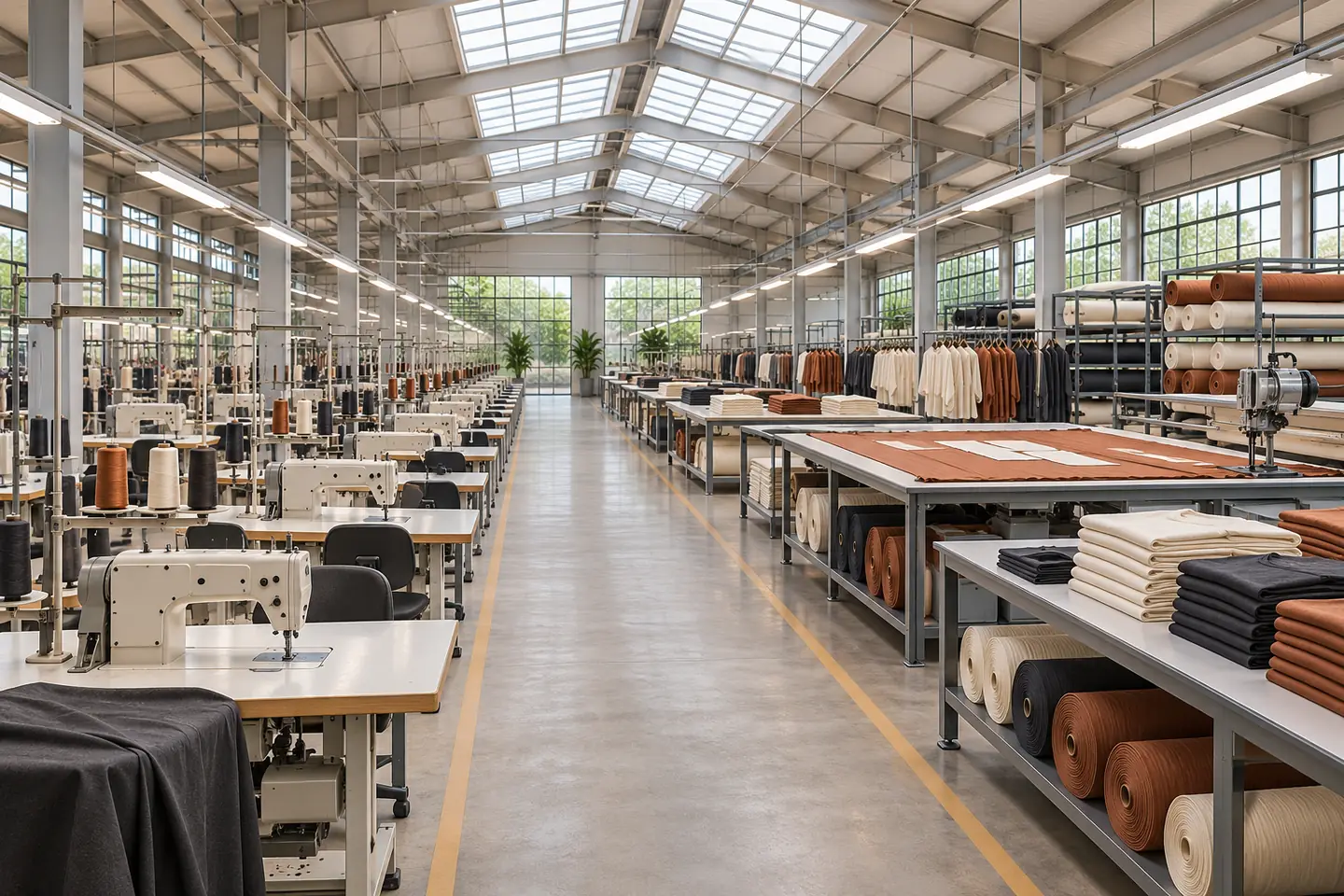
We match the order brief with the proposed facility's product capability, materials, production schedule and relevant supporting evidence. Your team can review the production location and the requirements that apply to the order alongside samples, commercial terms and quality arrangements.
Traceability and communication continue through production follow-up. Approved references, material records, quality findings and change decisions support a shared view of the order. Any proposed change of production source is reviewed through the agreed approval process, with the relevant product and documentation requirements carried forward.
Start a sourcing inquiry
Share your quality requirements.
Send your specification, inspection criteria and required supporting records so the proposed quality scope can be discussed for your order.