
Sustainability
Sourcing with care for people and resources.
Responsible materials, traceable supply chains and respect for the people who make our products guide the way we source.
Our commitment
Sustainability shapes how we buy and build.
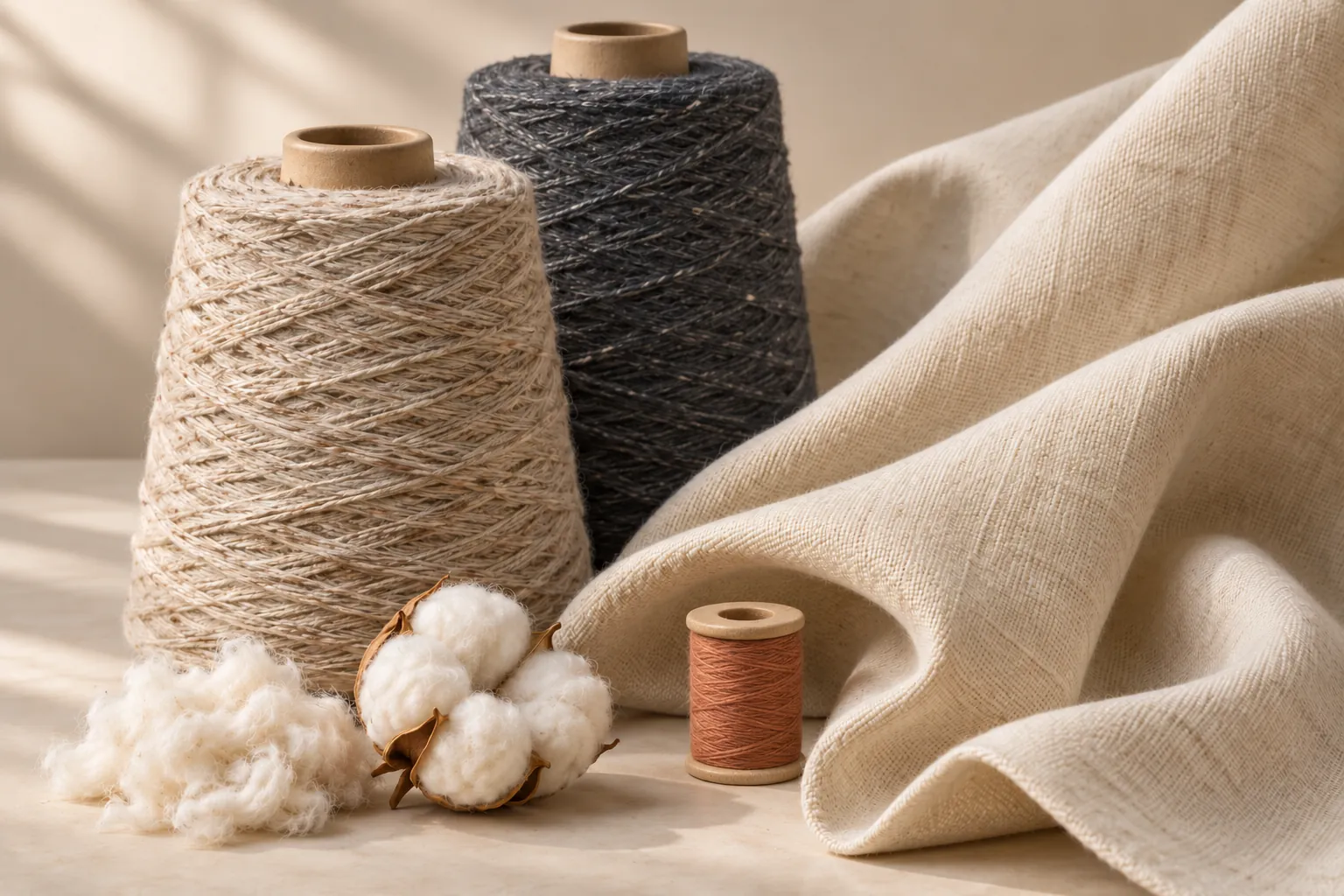
Sustainability is central to AMA Sourcing's vision. We help buyers develop textiles with responsible material choices, clearer supply-chain visibility and respect for workers. Our approach connects the fibre and fabric with the people, processes and resources involved in making the finished product.
As a buying house, we turn those priorities into practical sourcing decisions. We work with organic and recycled materials, review current partner audits and certificates, and maintain relevant traceability records. We also work with production partners on measured improvements in water, energy and waste.
These commitments belong in the product brief from the beginning. We consider them alongside quality, intended use, target cost and delivery requirements. Your team's goals help shape the material selection, production source, supporting evidence and review points for the collection.
Responsible material choices
Choose materials with the whole product in mind.
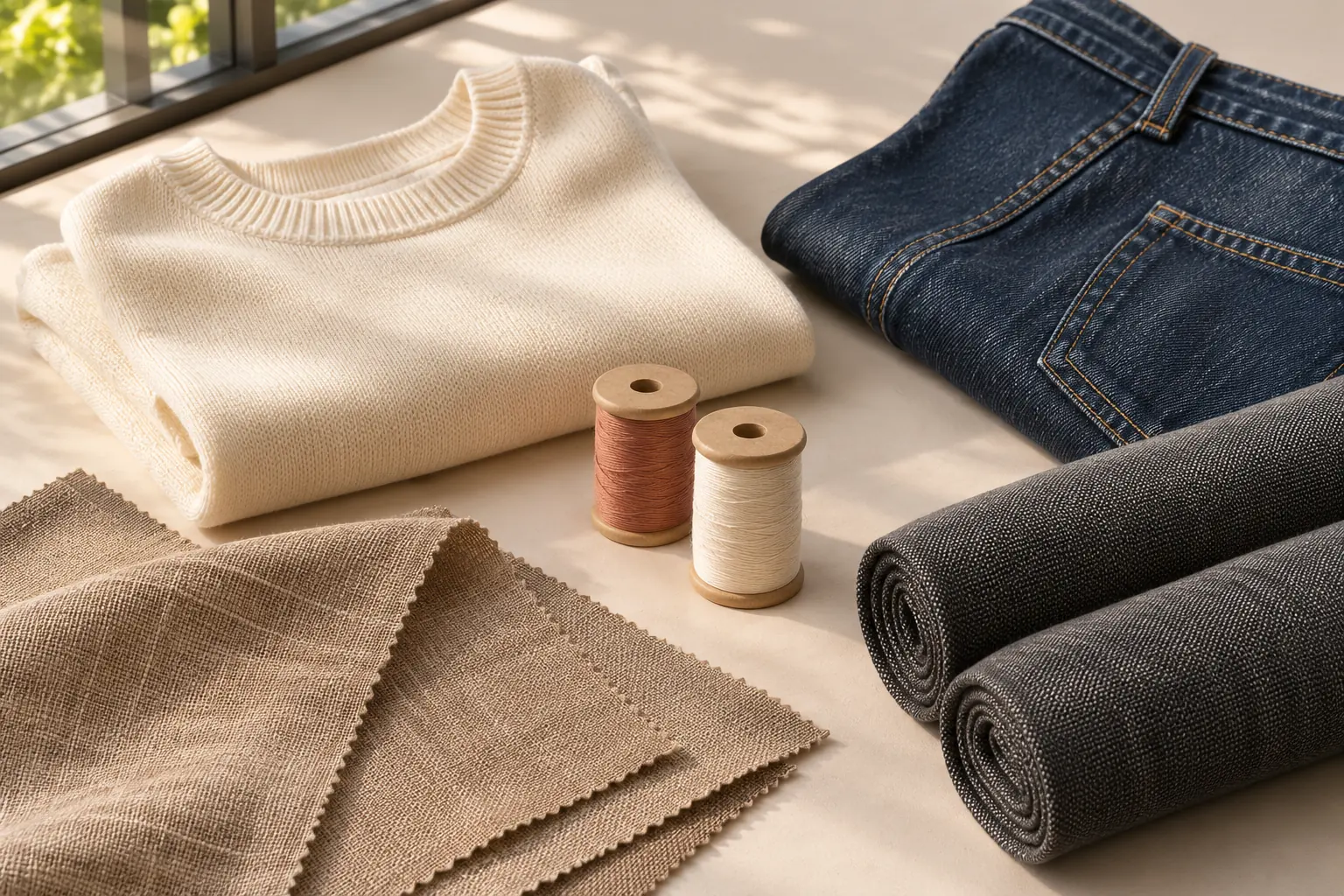
We source organic and recycled material options across relevant product categories and connect each choice with its composition, performance and supporting records. The selection reflects the fabric you need and the claims your buyer intends to make.
Organic materials
We source organic-content materials, including cotton options, with attention to the required fabric construction, hand feel and end use. Relevant supplier and material documentation connects the organic claim with the selected product and its production route.
Recycled materials
Recycled-content options bring recovered inputs into new textile collections. We review composition, construction and product performance alongside the evidence for recycled content. The material choice is developed around your intended use, quality expectations and commercial brief.
Material traceability
We connect material inputs with relevant processing and production records so buyers can understand the supply chain behind an order. Supplier details, material references and supporting documents help link the approved specification with the product being supplied.
Thoughtful product and packaging choices
Fabric weight, construction, finishing and packaging all influence how resources are used. We consider durability, material suitability and practical packing requirements during development. Clear sample reviews and approved specifications also help reduce avoidable changes and unnecessary material use.
Resource efficiency
Measure progress in water, energy and waste.
We work with production partners on measured improvements in resource use. Water consumption, energy demand and waste are reviewed in the context of the relevant facility and production activity. We use the available operating data to understand progress and discuss where further improvements can be made.
Clear baselines, reporting periods and production scope make that information useful to a buyer. We connect environmental statements with the activity and records they describe, and discuss the evidence needed for your sourcing programme. This supports practical decisions about processes, material use and the partners involved in an order.
Resource efficiency also starts before manufacturing. Reviewing fabric requirements, sampling decisions, order quantities and packaging helps teams plan materials more carefully. We bring these discussions into development so that quality and responsible use of resources are considered together.
Respect for workers
Responsible sourcing includes the people making the product.
Respect for workers is part of our supplier expectations. Safe working conditions, fair treatment, responsible working hours and freely chosen employment matter to the way we build sourcing relationships. We review current partner audit information and relevant social-compliance records alongside the requirements of your buying team.
Audit evidence gives the discussion a defined facility, date and scope. We connect findings with follow-up requirements and keep relevant records available for buyer review. Clear communication with production partners supports continued attention to working conditions throughout the sourcing relationship.

GOTS, GRS and supporting evidence
Connect the material claim with its certified scope.
GOTS covers textiles made with certified organic fibres and includes environmental and social criteria for textile processing. GRS addresses verified recycled content and chain of custody, with additional social, environmental and chemical requirements. These frameworks help structure the evidence reviewed for organic and recycled material requests.
We review the current certificates of relevant production partners for the selected material and order. The certified entity, covered products, processing activities and validity are checked against the requested scope. Appropriate supply-chain and order documentation connects the proposed claim with the material being supplied.
Bring your certification requirements and intended product wording into the initial discussion. We coordinate the relevant evidence with material sourcing, sampling and order planning, helping your team make decisions with a clear view of the product and its supporting records.
Start a sourcing inquiry
Build responsibility into your next order.
Tell us about your product, preferred materials and sustainability priorities. We will bring them into the sourcing plan from the start.