
Shirts
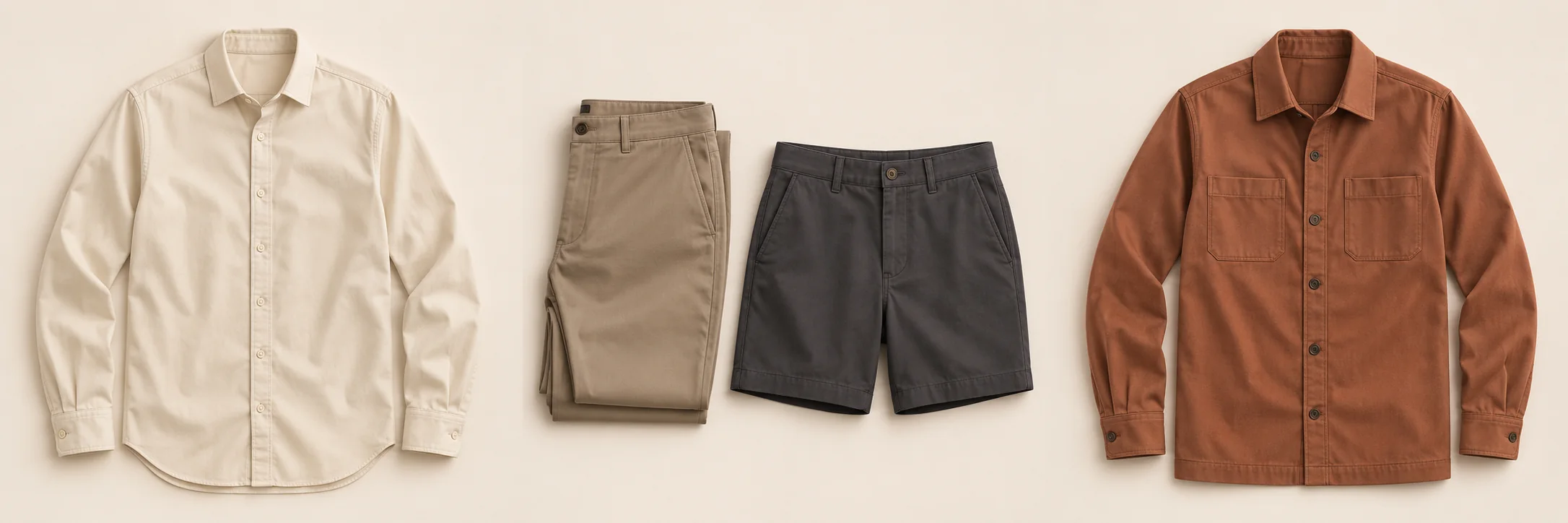
Discuss collar and cuff construction, button placement, placket details and the desired fit. Include any pattern-matching preferences and approved colour references in your brief.
Wovens
Shape a woven apparel range through considered fabric choices, precise construction and an order brief that includes responsible sourcing requirements.
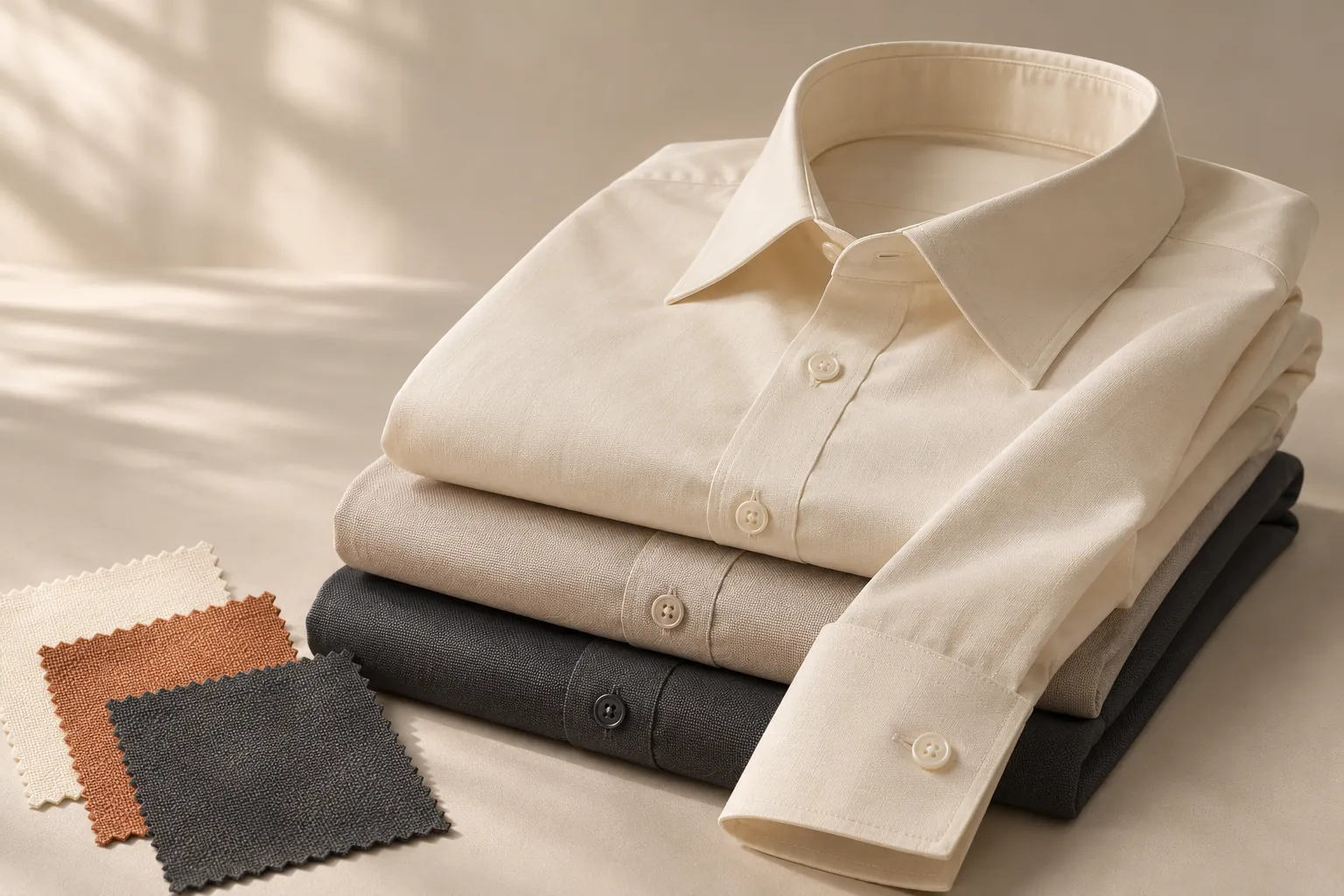
A useful woven-apparel brief connects your design to the fabric and construction details needed to develop it. Share your reference garment or technical drawing, composition preference, target fabric weight and size chart. Include the intended use and desired finish so the discussion can address fit, appearance and the practical details of your proposed collection from the beginning.
Shirts, trousers, shorts and overshirts illustrate the product directions you can discuss. Material and construction options are assessed for your order. Describe collars, cuffs, plackets, pockets, waistbands and closures in your specification. For a preferred weave, pattern or surface finish, provide a physical reference or a clearly identified sample to compare during development.
AMA Sourcing provides product development, sampling, fabric and trims sourcing, costing, order follow-up, quality control and shipping support. The development discussion establishes factory suitability, material options and sample requirements. Supply quantities by style, colour and size, together with destination and packing details, to define the quotation, agree a production schedule and identify the approvals needed before the order proceeds.
Products we make
Use these examples to shape your brief. Materials, construction and finishing are developed around your product requirements.
Discuss collar and cuff construction, button placement, placket details and the desired fit. Include any pattern-matching preferences and approved colour references in your brief.
Provide waist and seat measurements, pocket details, closure requirements and a fit reference. Identify the fabric hand feel and finish you want to review.
Outline garment weight, layering fit, pocket arrangement and trim requirements. Discuss the proposed fabric and construction alongside the sample you will use for approval.
Fabrics & materials
| Composition and construction | Defined by the selected fibre blend, weave and approved fabric reference. |
|---|---|
| Fabric weight and width | Confirmed for the selected fabric and the cutting requirements of your garment. |
| Fit and measurement tolerances | Agreed through the size chart, grading instructions and approved fit sample. |
| Trims and finishing | Specified from your trim references, construction details and finishing approvals. |
| Minimum order quantity | Confirmed in the quotation after reviewing fabric commitments, styles and colour quantities. |
| Sampling time | Planned around fabric and trim availability, pattern development and required approval stages. |
| Production lead time | Agreed after fabric booking, sample approvals, order quantity and packing requirements are reviewed. |
| Available capacity | Checked for the proposed construction, production source and requested delivery window. |
Responsible sourcing
Responsible woven-apparel sourcing starts with a fabric that fits the intended garment. AMA Sourcing supports organic and recycled material requests, including organic cotton or recycled fibre options where suitable for the brief. Compare these with other proposed constructions for handle, drape, strength and care requirements before selecting a fabric.
Build traceability into the specification by identifying the records required for fibre content, fabric source and the supplied order. For certified materials, agree the applicable scheme and review current evidence covering the relevant entities and products. Confirm the wording of any label or material claim against that evidence.
Consider how the garment will be worn, cared for and maintained. Discuss seam construction, closures, colourfastness and dimensional stability, together with replacement trims where useful. Review fabric utilisation and packaging options with the proposed source. Claims about resource use or waste reduction should be tied to a defined process and supporting measurements.
Build the review around an approved sample and a complete measurement chart. Identify the seams, stitching, closures, pocket positions and finishing details that matter to your product. Record agreed tolerances and the method for checking them before the order moves into production.
Share requested fabric tests and acceptance criteria during development. Your checklist may include shade consistency, dimensional change, surface appearance and the alignment of stripes or checks. Agree the testing scope, inspection arrangements and supporting evidence as part of the order specification.
Confirm labels, spare trims, folding, individual packaging and carton markings. Any reference to a partner audit or material certification requires current evidence and a confirmed scope.
A reference garment is useful when you identify the fit, construction and appearance you want to achieve. Add a measurement chart, fabric preferences, trim details and quantities where possible. The development discussion can then establish the sample stages and any additional specifications needed.
Describe the composition, construction, weight, finish and intended appearance you need. The material examples on this page provide a starting point for discussion, with availability assessed for your order. A physical swatch or clearly labelled reference helps compare the qualities you want.
Minimum quantities are established for the proposed fabric, style and colour breakdown. Include your planned size distribution and any repeat-order expectations in the inquiry. Ask for the quantity basis and material commitments to be set out in the quotation so options can be compared clearly.
Provide your desired delivery date, destination, approval availability and any event or launch deadline. The schedule should identify fabric preparation, sampling, production and shipping stages, with the required buyer decisions and material commitments agreed before the order proceeds.
Related capabilities
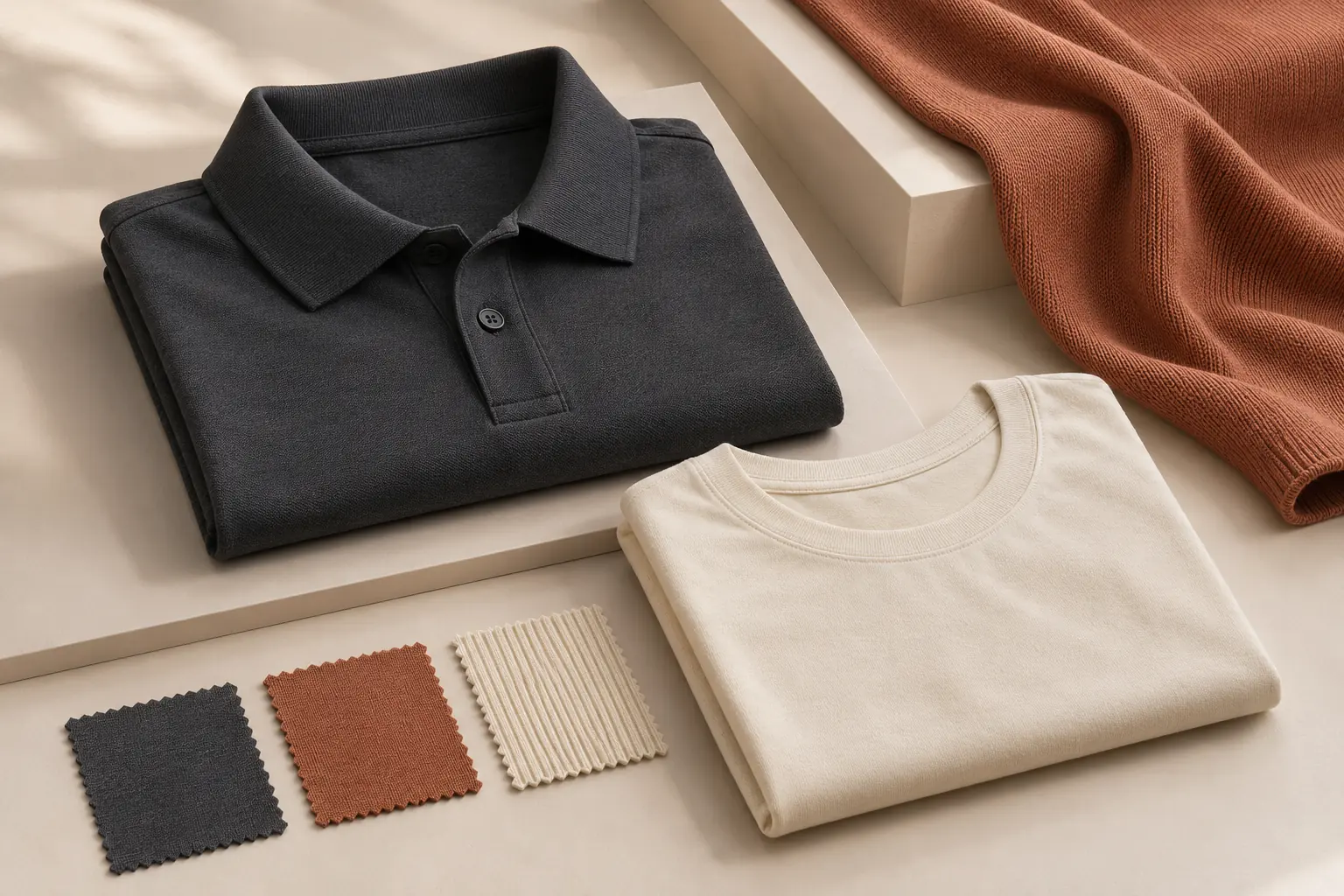
Develop knitwear around the fabric, fit and finish your collection needs, with responsible material sourcing and a clear brief for every order.
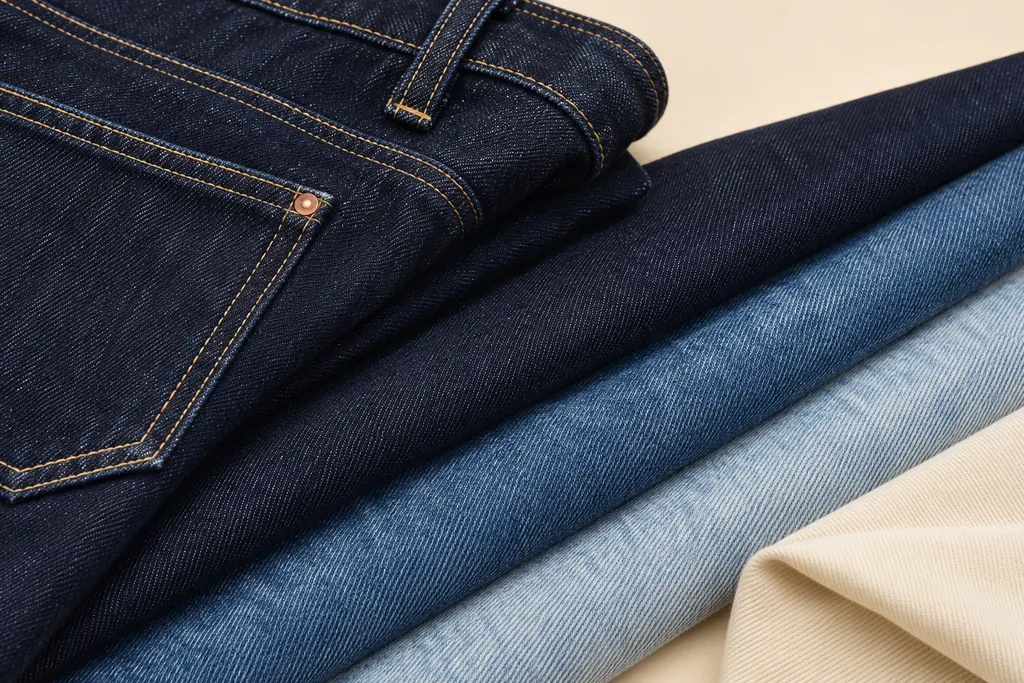
Develop denim with a clear relationship between fit, fabric, wash and responsible material choices, supported by an evidence-led sourcing brief.
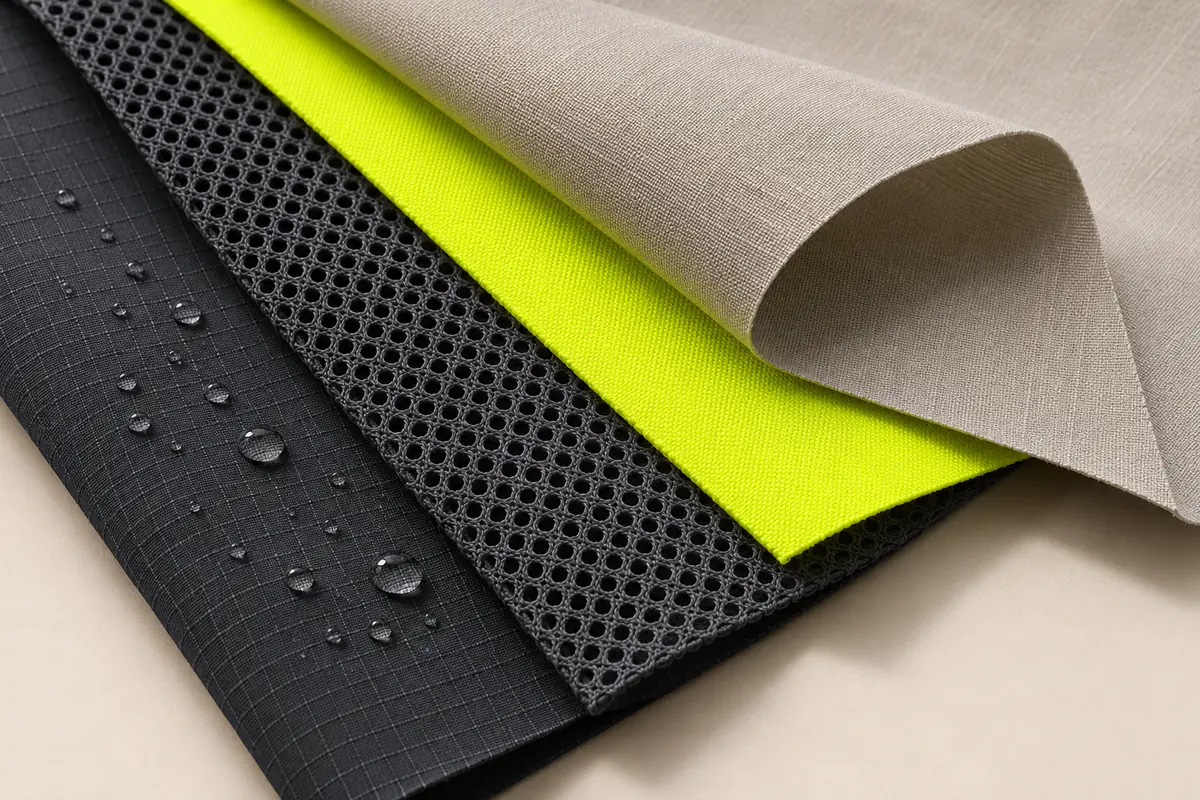
Develop a technical-textile brief around application, verified performance and responsible material choices, with clear evidence requirements for each product.
Start a sourcing inquiry
Share your product requirements, target quantities and delivery destination. Let’s establish the next steps for your order.